Master Plan

Master Plan

A master plan is crucial for any organization because it provides a clear roadmap for achieving long-term goals and ensures consistent progress. Here are five key reasons why a master plan is important:
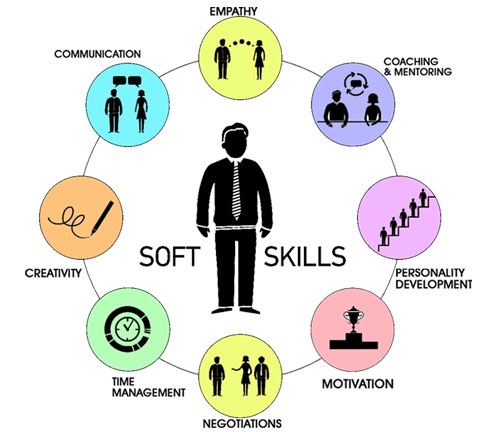
  • Strategic Direction: A master plan outlines the organization's vision, mission, and goals, providing a clear direction for decision-making and resource allocation. It helps align all efforts toward a common objective, reducing confusion and inefficiency.
  • Resource Optimization: With a master plan, an organization can prioritize resources—time, money, and manpower—effectively. It ensures that resources are allocated to the most critical projects and areas, maximizing productivity and minimizing waste.
  • Risk Management: A well-thought-out master plan anticipates potential challenges and risks, allowing the organization to develop strategies for mitigating them. This proactive approach helps in adapting to changes and overcoming obstacles without derailing progress.
  • Improved Communication: A master plan serves as a communication tool, ensuring that everyone in the organization understands the overall strategy and their role within it. This clarity enhances teamwork, collaboration, and alignment across departments.
  • Sustained Growth: By setting clear milestones and measurable objectives, a master plan allows the organization to track its progress over time. This ensures continuous growth and adjustment, making it easier to scale and expand in a structured manner.


Five-Year Master Plan for BRASS Operations (2025–2030)

A master plan of an organization is a comprehensive strategic framework that outlines its long-term goals, vision, and the steps required to achieve them. It includes key initiatives, resource allocation, timelines, and risk management strategies. This plan serves as a guide for decision-making, ensuring all efforts are aligned and focused on sustainable growth and success.

Year 1: Foundation & Visibility (2025–26)

  • Establish regional offices in metro cities and pilot centres in two rural zones.
  • Develop 10 key modules on soft skills based on Indian scriptures.
  • Launch the official BRASS website and e-learning platform.
  • Organize a national-level soft skills convention.
  • Publish 5 foundational booklets.
  • Partner with 25 educational institutions.


Year 2: Consolidation & Expansion (2026–27)

  • Translate key ancient texts (Bhagavad Gita, Arthashastra) into simplified training formats
  • Publish 10 new books on sector-specific applications (e.g. business, governance).
  • Organize 10 regional seminars and 5 international webinars.
  • Begin construction of BRASS Training Centre in New Delhi.
  • Introduce BRASS e-library and mobile app.
  • Expand partnerships to 100 institutions including corporates.

Year 3: Diversification & Research (2027–28)

  • Launch BRASS Journal on Soft Skills & Ancient Wisdom.
  • Set up Research Wing for soft skill studies in ancient Indian practices.
  • Publish 15 books on contemporary applications (AI ethics, mindfulness, leadership).
  • International collaboration with UNESCO, ICCR, and spiritual universities.
  • Rollout of BRASS training to 5 SAARC countries.
  • Develop 20 online certificate courses.

Year 4: Institutional Development (2028–29)

  • Launch BRASS School of Ancient Soft Skills in New Delhi.
  • Introduce PG Diploma programmes in collaboration with universities.
  • Partner with government agencies for youth and rural skilling initiatives.
  • Publish 10 advanced books for corporate and government training.
  • Establish state-level chapters in all Indian states.

Year 5: Globalization & Legacy (2029–30)

  • Launch BRASS Global Conference on Ancient Soft Skills in Delhi.
  • Collaborate with international institutions for exchange programs.
  • Open 3 global centres – USA, UK, and Southeast Asia.
  • Publish final set of 10 books.
  • Rollout National Policy Proposal on Reviving Soft Skills in Education.
  • BRASS to be recognized as a National Resource Centre.